Goto main content

Gender & Disability Inclusion

We advocate for the rights of women and girls with disabilities worldwide, working to advance their social, economic and political inclusion.

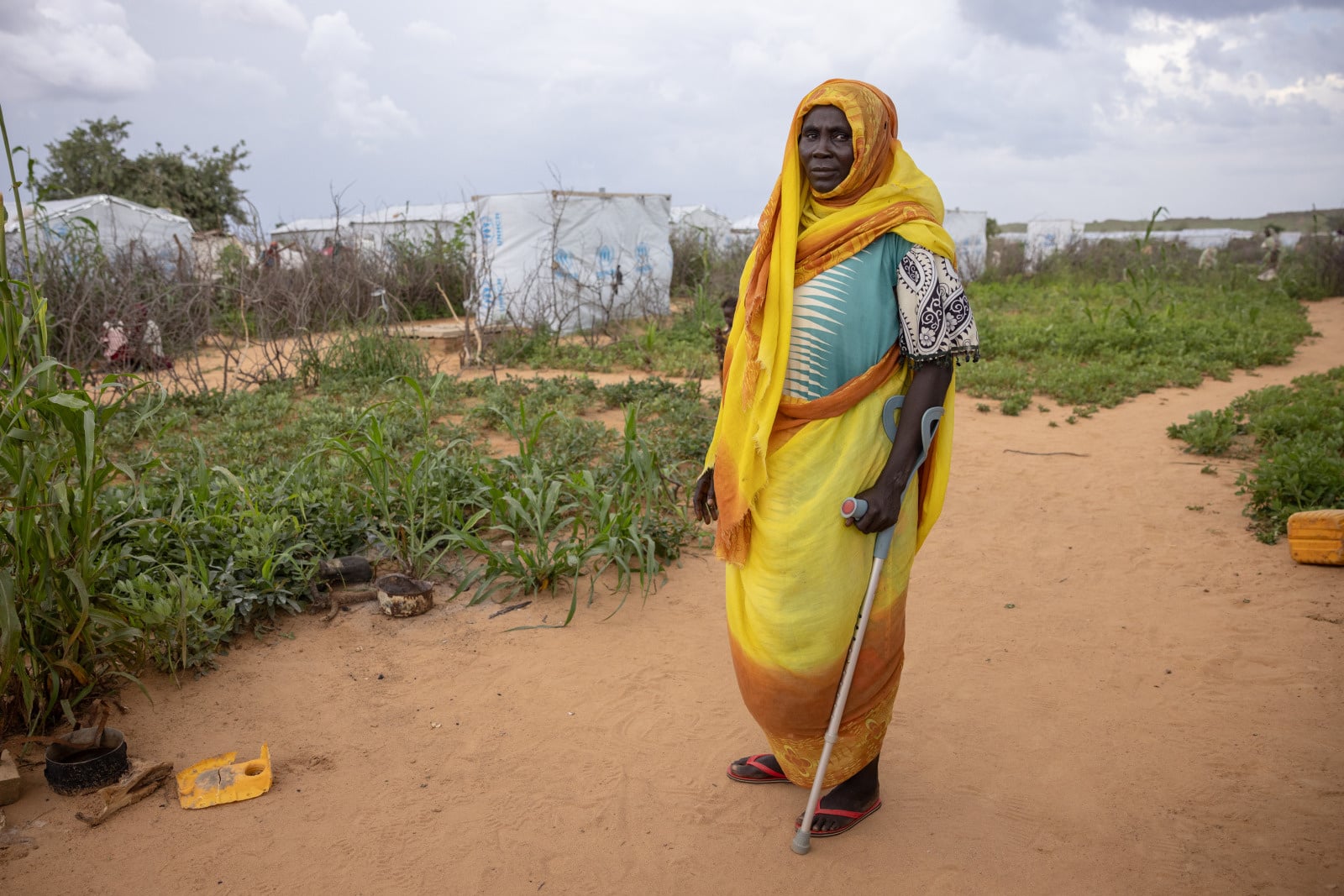
A woman with a disability outside holding crutches. A woman with a disability outside holding crutches. A woman with a disability outside holding crutches. A woman with a disability outside holding crutches.
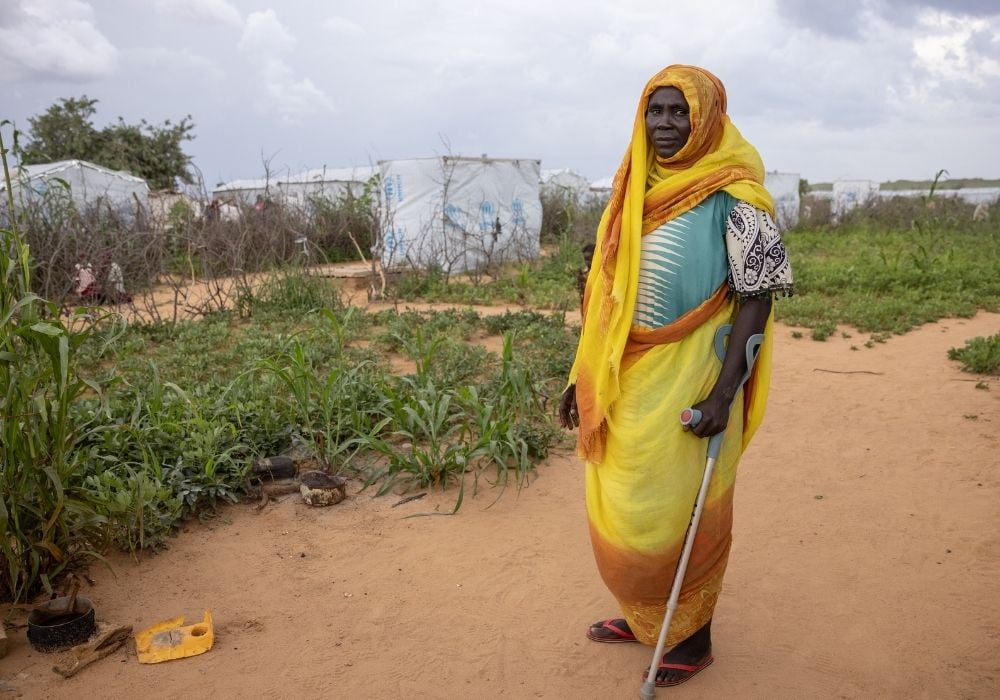
disabled woman standing outside with a stick disabled woman standing outside with a stick disabled woman standing outside with a stick disabled woman standing outside with a stick
 

Women and Girls with Disabilities Left Behind

One in five women worldwide lives with a disability, 20% globally, and in low- and middle-income countries women and girls with disabilities make up to three-quarters of persons with disabilities. Yet they remain excluded from humanitarian and gender equality efforts.

This exclusion is reflected in women’s rights spaces. For instance, the Convention on the Elimination of All Forms of Discrimination against Women doesn’t explicitly mention women with disabilities. At the same time, while the Convention on the Rights of Persons with Disabilities, recognizes the challenges they face, women and girls with disabilities are still too often pushed to the margins. 

As a result, they face disproportionate risks and barriers worldwide and across all areas of life. Evidence highlights the scale of these inequalities:

One in five women worldwide lives with a disability, representing 20% of the global population, and in low- and middle-income countries, women and girls with disabilities account for up to three-quarters of people with disabilities. Yet they remain excluded from humanitarian initiatives and efforts to promote gender equality.

This exclusion is reflected in frameworks dedicated to women’s rights. For example, the Convention on the Elimination of All Forms of Discrimination Against Women does not explicitly mention women with disabilities.

At the same time, although the Convention on the Rights of Persons with Disabilities recognizes the challenges they face, women and girls with disabilities are still too often left behind.

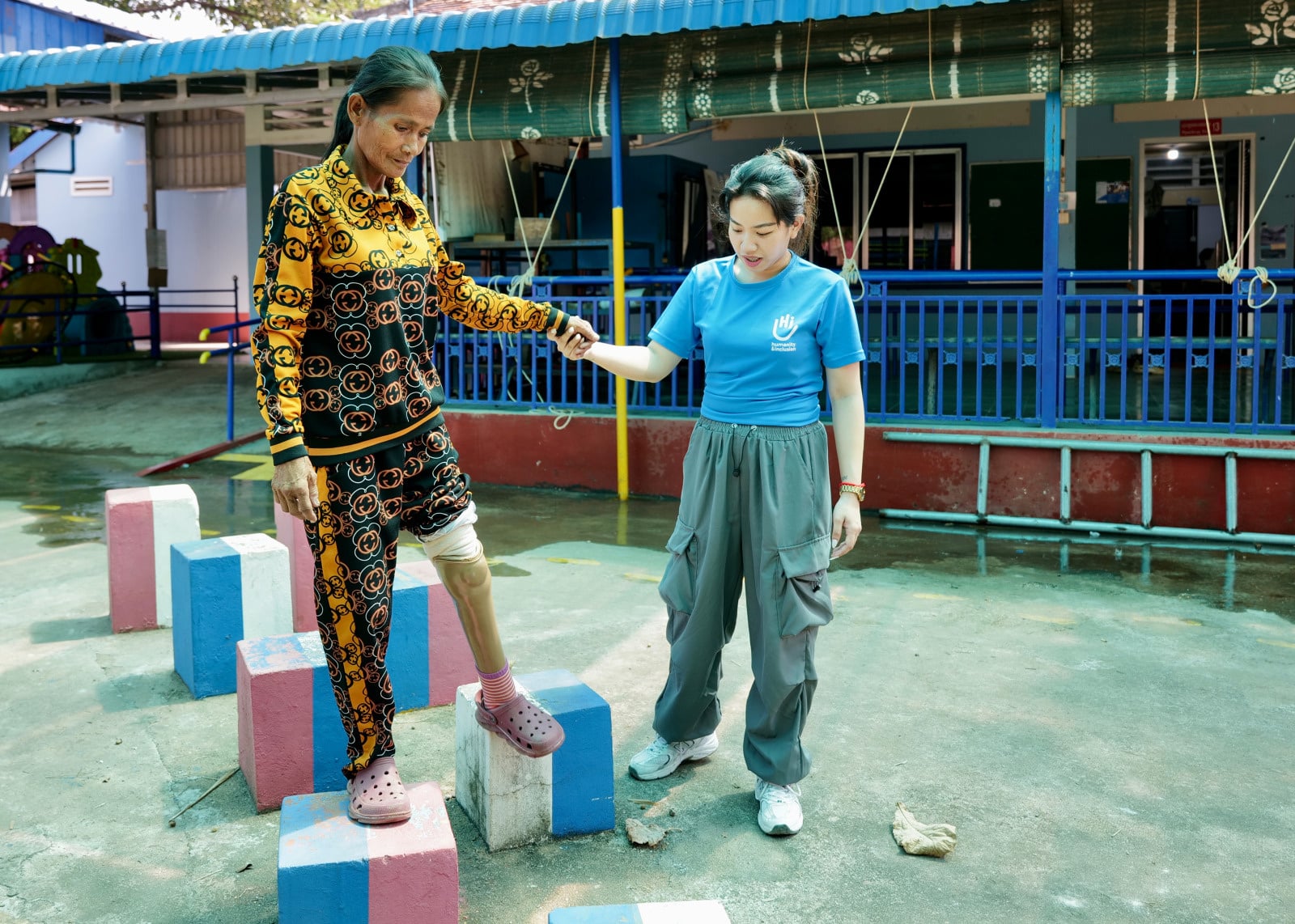
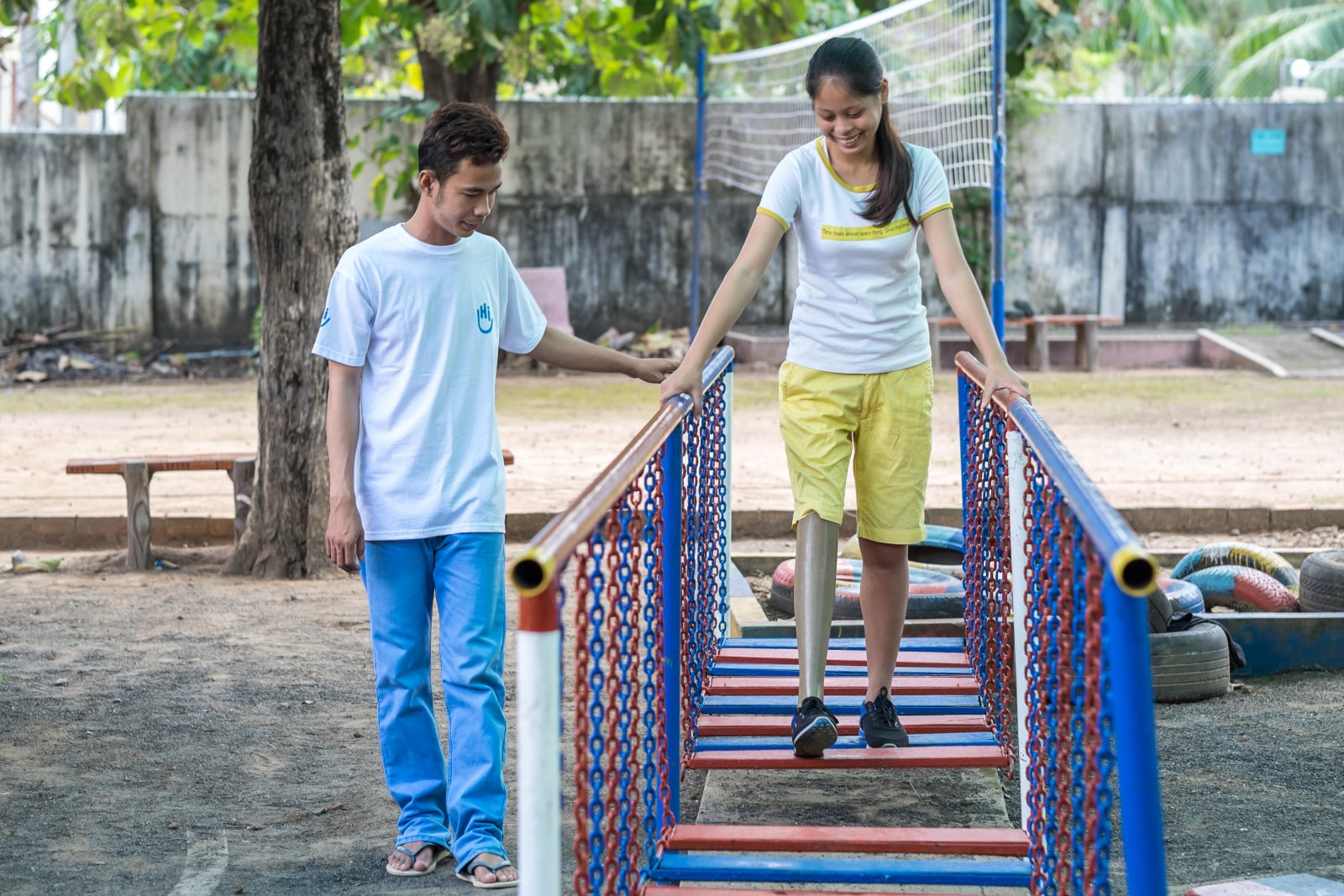
A woman with a prosthetic leg undergoing a rehabilitation session with an HI worker. A woman with a prosthetic leg undergoing a rehabilitation session with an HI worker. A woman with a prosthetic leg undergoing a rehabilitation session with an HI worker. A woman with a prosthetic leg undergoing a rehabilitation session with an HI worker.
 
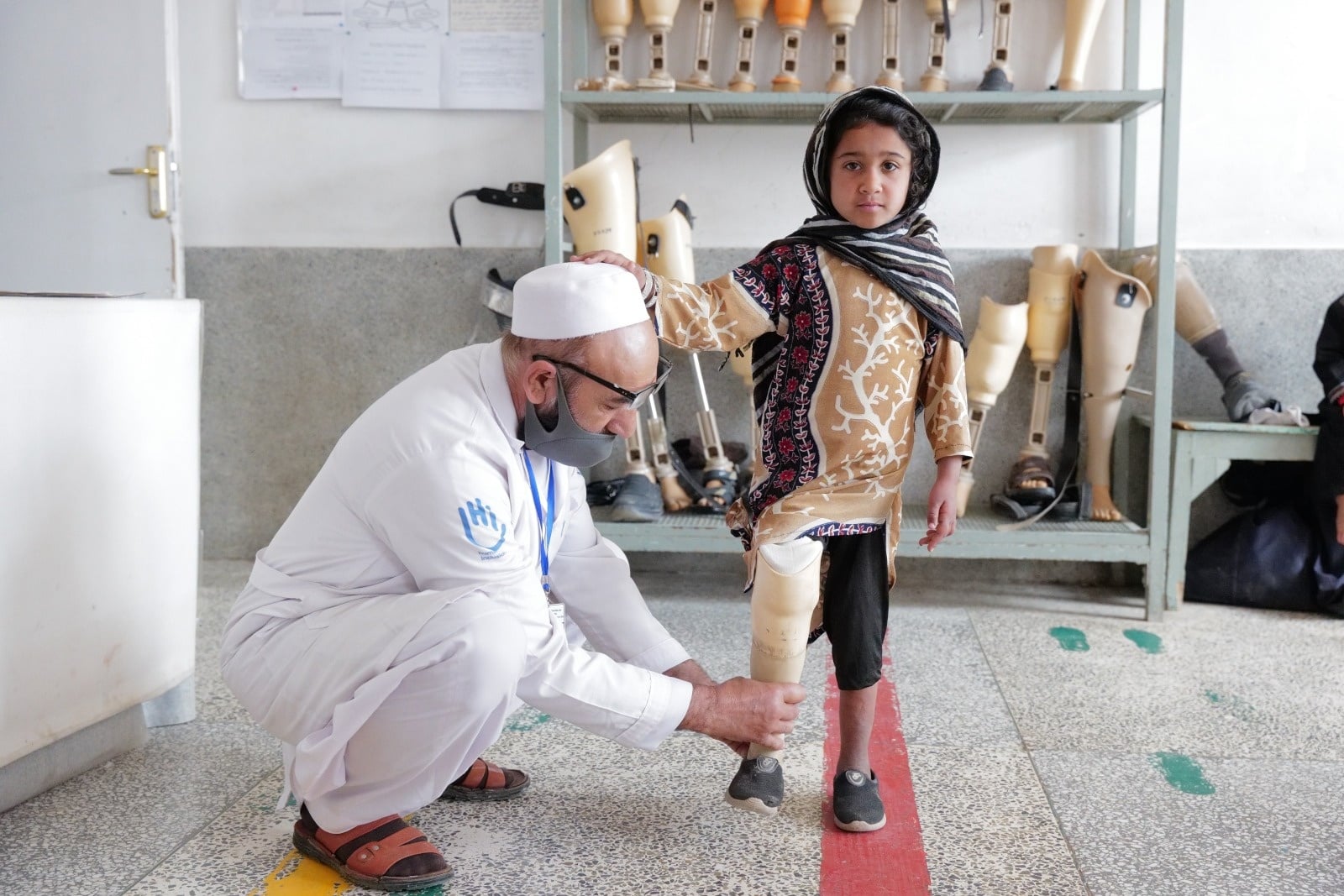
A doctor helping a little disabled girl inside A doctor helping a little disabled girl inside A doctor helping a little disabled girl inside A doctor helping a little disabled girl inside

As a result, they face disproportionate risks and barriers around the world and in all areas of life. The data highlights the extent of these inequalities:


A woman with a disability being helped to walk outside A woman with a disability being helped to walk outside A woman with a disability being helped to walk outside A woman with a disability being helped to walk outside
 

Making it Work Gender and Disability Project 

In response to the existing gaps and the need for greater support, Humanity & Inclusion (HI) is implementing the Making It Work Gender and Disability project to amplify the voices and visibility of women and girls with disabilities across international development, human rights, gender, and humanitarian action, ensuring their perspectives shape responses to violence, abuse, and exploitation worldwide.

Since 2017, the project has partnered with 17 organizations across Africa, including in Burundi, Cameroon, Kenya, Malawi, Mali, Nigeria, Uganda, and Rwanda. HI supports them by conducting evidence-based advocacy at all levels, while providing ongoing technical support and ad hoc financial assistance.

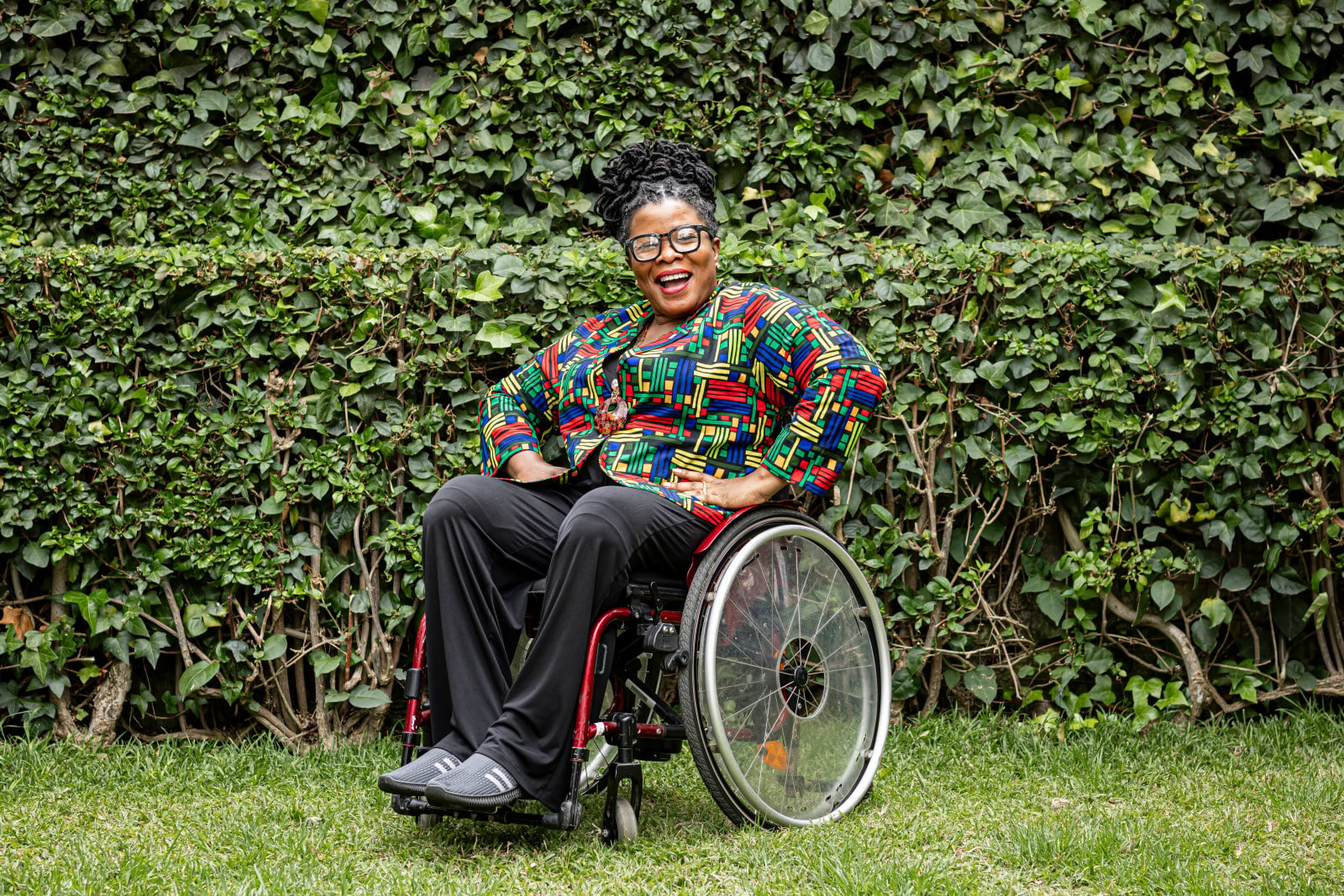
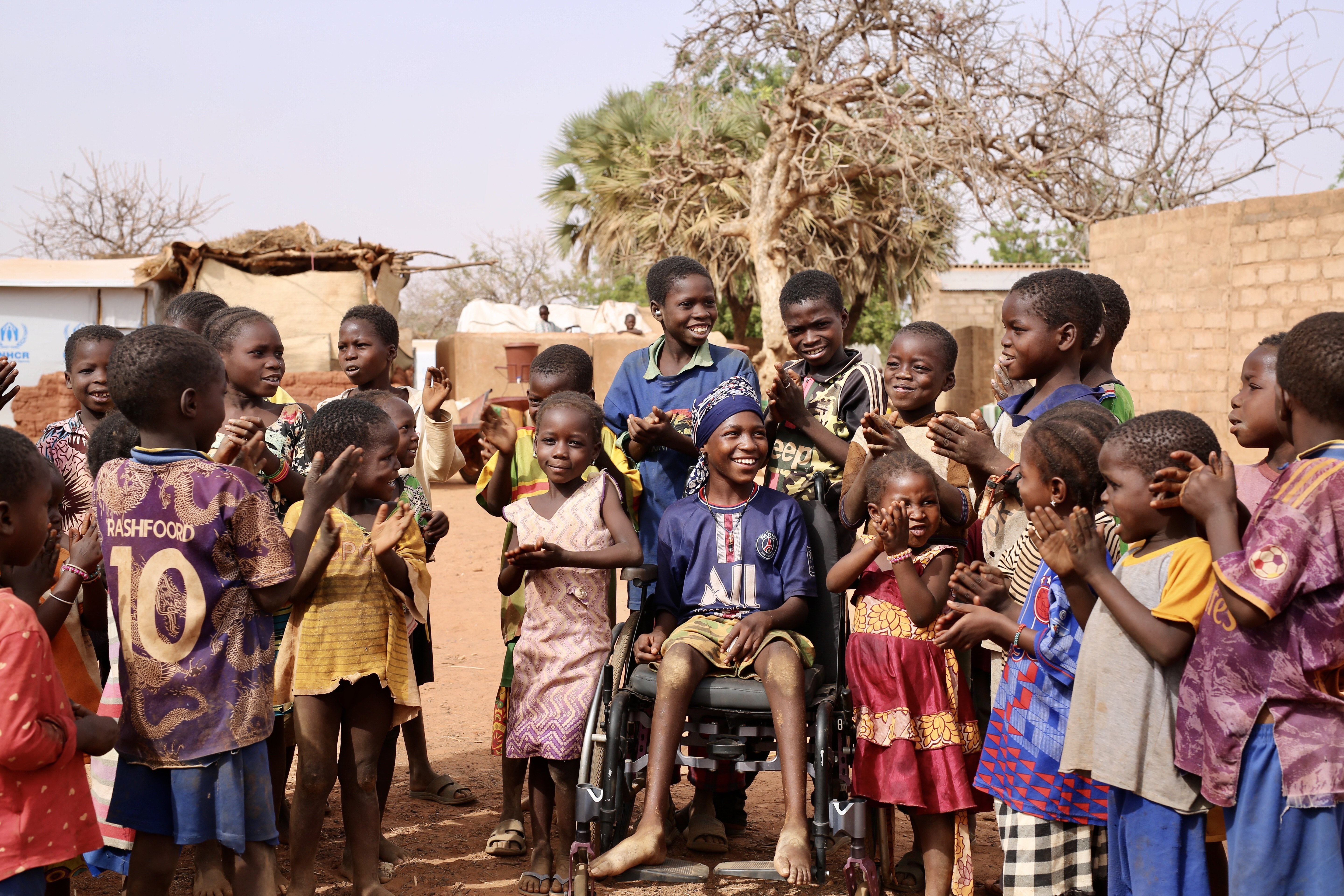
A woman in a wheelchair, outside, facing the camera, smiling A woman in a wheelchair, outside, facing the camera, smiling A woman in a wheelchair, outside, facing the camera, smiling A woman in a wheelchair, outside, facing the camera, smiling

By recognizing and highlighting women with disabilities as key agents of change, the “Making It Work” initiative strengthens global advocacy efforts and underscores the essential role of their leadership in promoting sustainable and inclusive responses to gender- and disability-based violence and discrimination.

Only by empowering women with disabilities can we build more inclusive and equitable systems on a global scale.

By recognizing and elevating women with disabilities as central agents of change, Making It Work strengthens global advocacy efforts and underscores the essential role of their leadership in advancing sustainable, inclusive responses to gender and disability-based violence and discrimination.

Only by empowering women with disabilities can we build more inclusive and fair systems worldwide.


Making It Work: Recent Research Articles

 
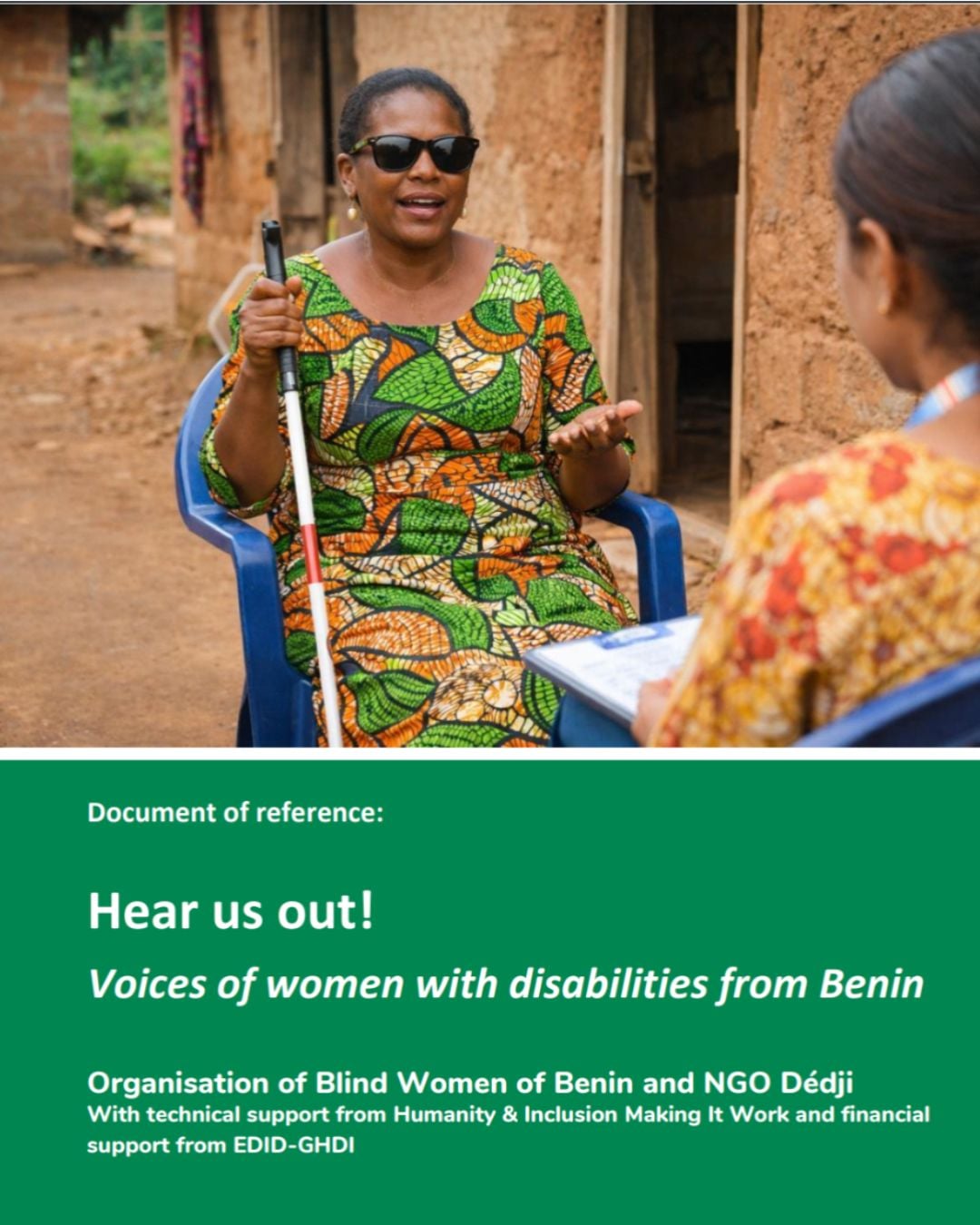
a blind woman sitting and speaking a blind woman sitting and speaking a blind woman sitting and speaking a blind woman sitting and speaking
 
 
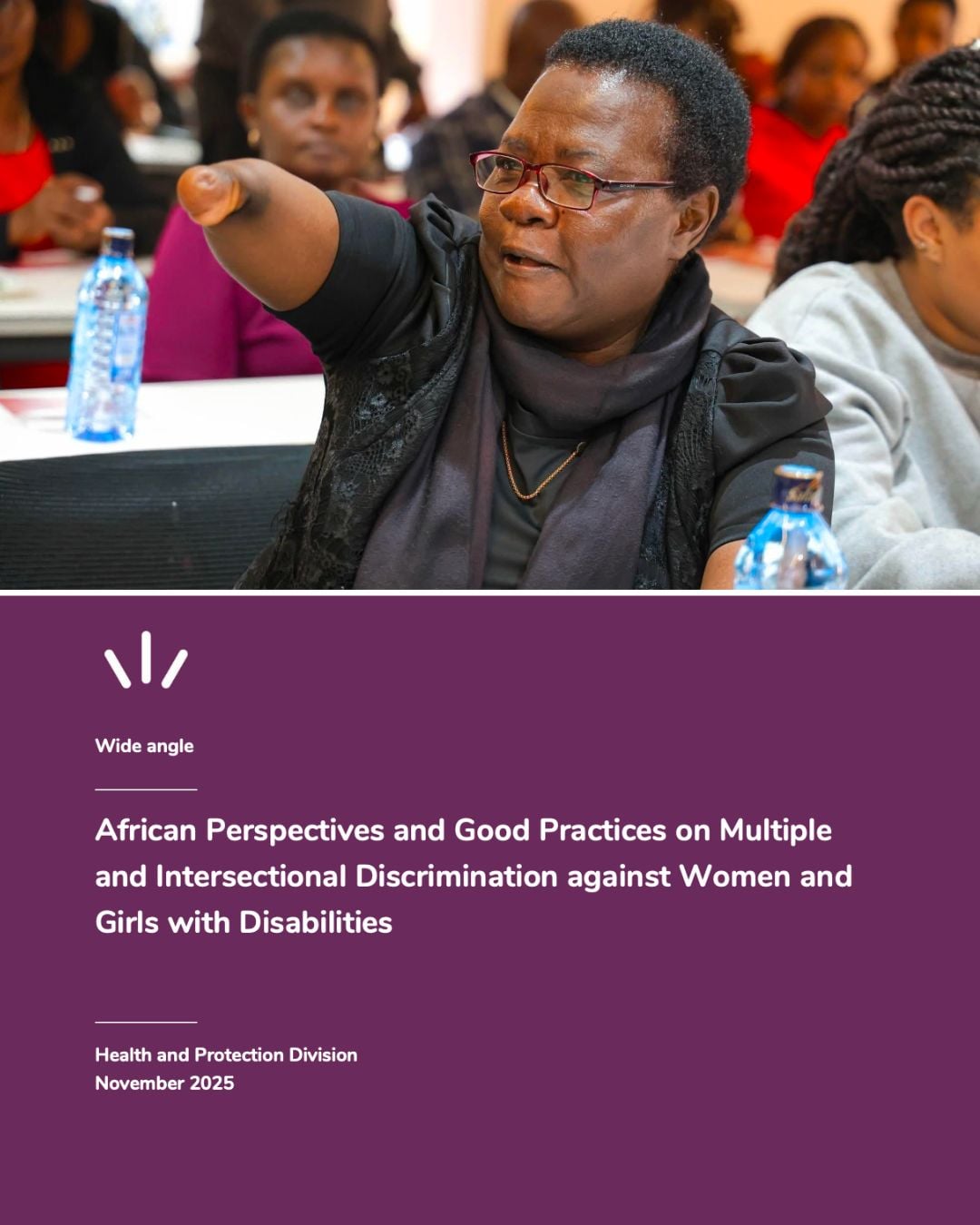
a disabled woman sitting pointing. a disabled woman sitting pointing. a disabled woman sitting pointing. a disabled woman sitting pointing.


GO FURTHER