Goto main content
 

SIGN THE PETITION

* indicates required

WE ASK THE CANADIAN GOVERNMENT TO:


  • Proactively defend the Ottawa Treaty. Canada should visibly lead international diplomatic efforts in support of the Ottawa Treaty.

The logic of the Ottawa Treaty still stands in today’s unstable global environment; research shows that landmines do not provide any significant military advantage; the legal and moral obligation to protect civilian life does not diminish in times of insecurity. 


  • Back up the political commitment by funding Mine Action to at least $50 million  

Mine action includes five pillars: risk education, victim assistance, clearance, advocacy, and stockpile destruction. In 2024, Canada contributed C$37.9 million to mine-action efforts, a 31% drop from 2023. Canada should ensure that funding to mine action is strengthened.


HISTORY OF OUR FIGHT AGAINST LANDMINES​​​​​​​


1982 Fitting of Cambodian refugees in Thailand with prosthetics and official creation of Humanity & Inclusion in Lyon, France.


1984  Opening of a prosthetics fitting centre in Angola, the association's first African programme. 


1992  Creation of the International Campaign to Ban Landmines (ICBL) by Humanity & inclusion and five other NGOs. First demining actions in Cambodia.


1997  Signing of the Ottawa Treaty banning anti-personnel mines. As such, Humanity & Inclusion is co-laureate of the Nobel Peace Prize.


2003  Start of the fight against cluster bombs.


2008  Signing of the Oslo Treaty banning cluster bombs. 


2019  Launching of negotiations for the elaboration of an international political declaration to better protect civilians from bombing.


2020  Closure of the political process and opening for signature of the declaration by States at the Dublin Conference.

Stand Against Landmines: Promote the Ottawa Treaty

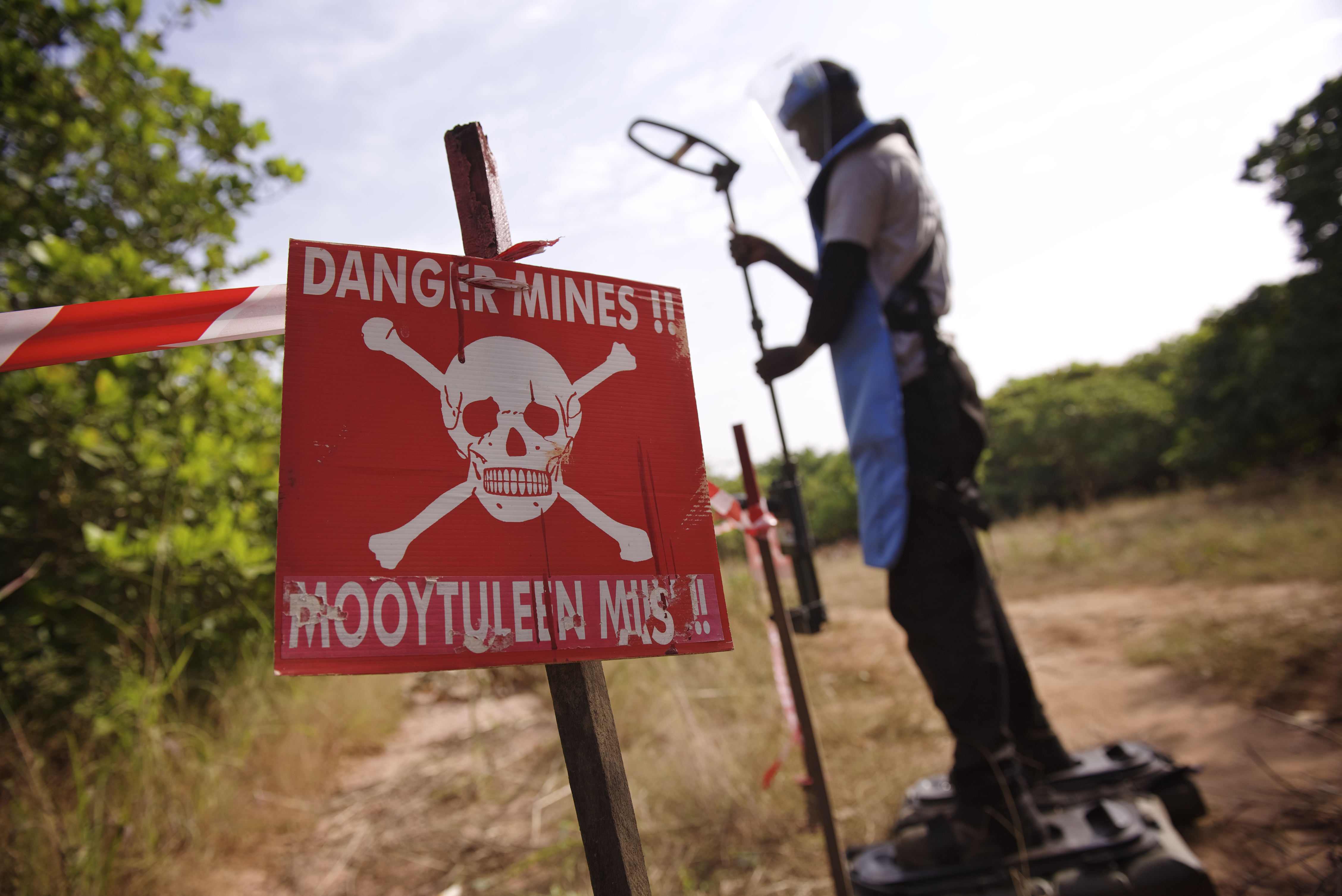
Today, innocent lives are still being shattered by landmines. These outdated, indiscriminate weapons of warcontinue to kill and maim thousands of men, women, and children every year. 
​​​​​​​

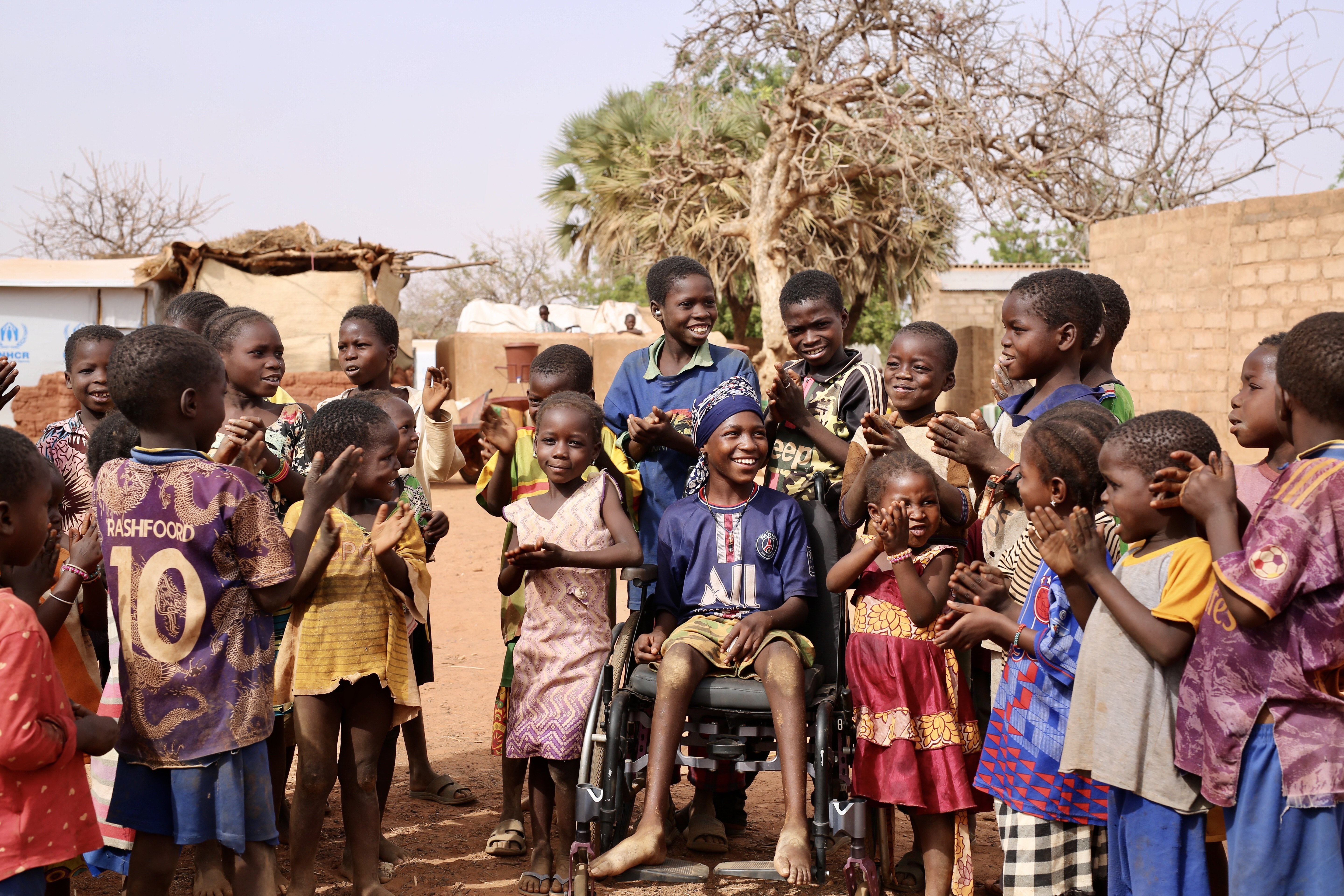
In 2024 alone, 90% of recorded landmine casualties were civilians, not soldiers, and almost half of them were children (46%).  

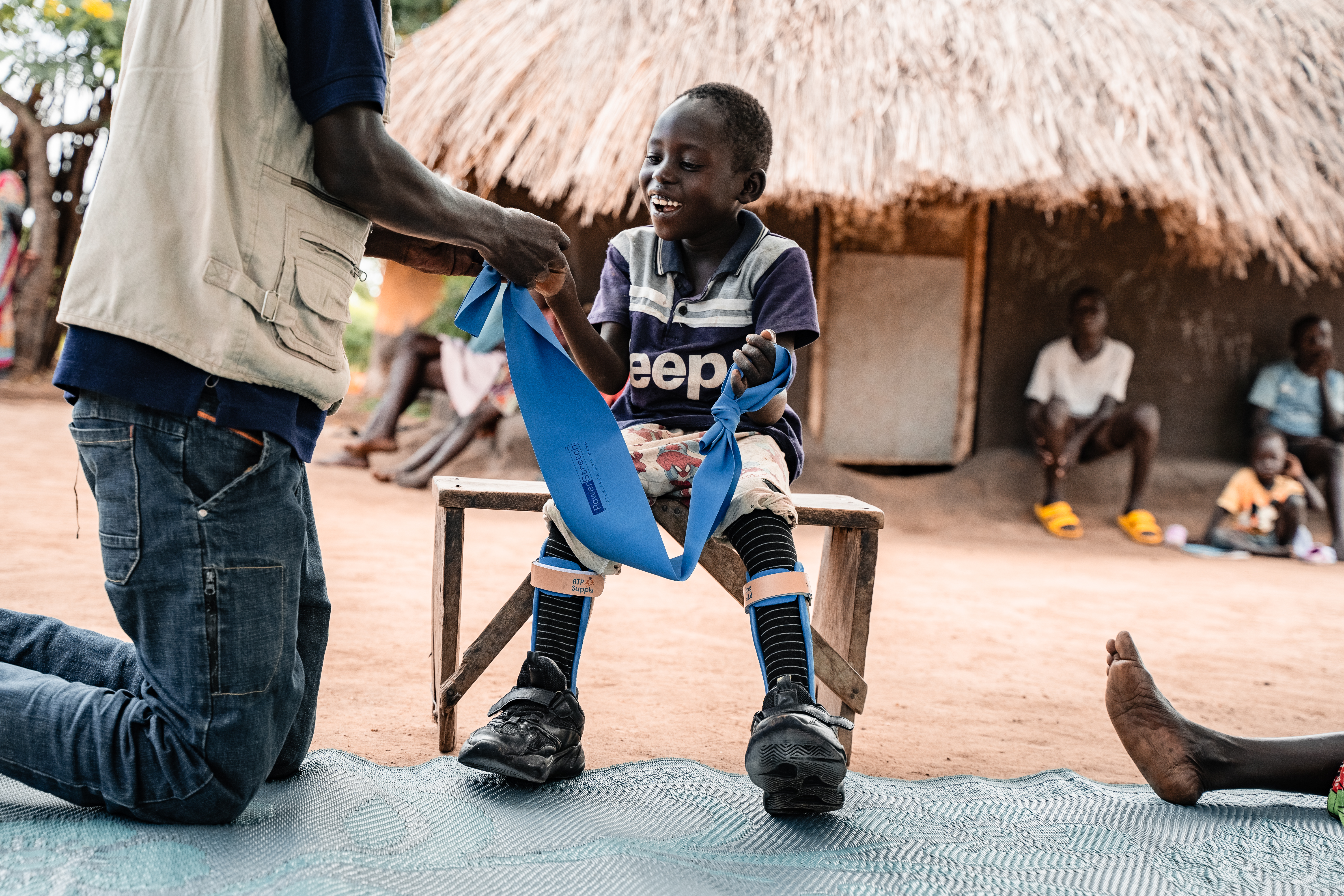
These weapons are among the leading causes of disability and amputation in affected communities, stealing futures, tearing families apart, and leaving children to live with the consequences for the rest of their lives. 

Despite decades of efforts to eliminate them, at least 58 states and other areas around the world remain contaminated by antipersonnel mines, putting communities at risk long after conflicts have ended, not because solutions do not exist, but because the world has still not fully acted to end the use of these weapons and protect civilians. 

The Ottawa Treaty Under Threat 

Today, the international taboo against landmines is under threat. Five states have formally withdrawn from the Ottawa Treaty, while still others  have suspended their commitments, putting decades of progress at risk. 


Canada played a key role in negotiating the Ottawa, which bans the use, production, stockpiling, and transfer of anti-personnel mines and mandates their destruction, leading signed in 1997 in Ottawa, under former Foreign Minister Lloyd Axworthy, now Chair of the Board of Governors of Humanity & Inclusion Canada.


Today, 166 states have ratified the Treaty, which also requires the clearance of contaminated land and ensures support for survivors and affected communities.


This historic achievement was made possible thanks in part to civil society and victims and survivors of landmines, including the International Campaign to Ban Landmines, co-founded by Humanity & Inclusion. 


Thanks to the Treaty, the number of affected states and regions has fallen from 99 to 58 since 1999, over 30 countries are now mine-free, and more than 55 million stockpiled mines have been destroyed, greatly reducing the use and impact of these deadly weapons. 

Our Commitment Against Landmines 

For more than 30 yearsHumanity & Inclusion Canada has been one of the few Canadian NGOs working to protect civilians from landmines, cluster munitions, and other explosive weapons.


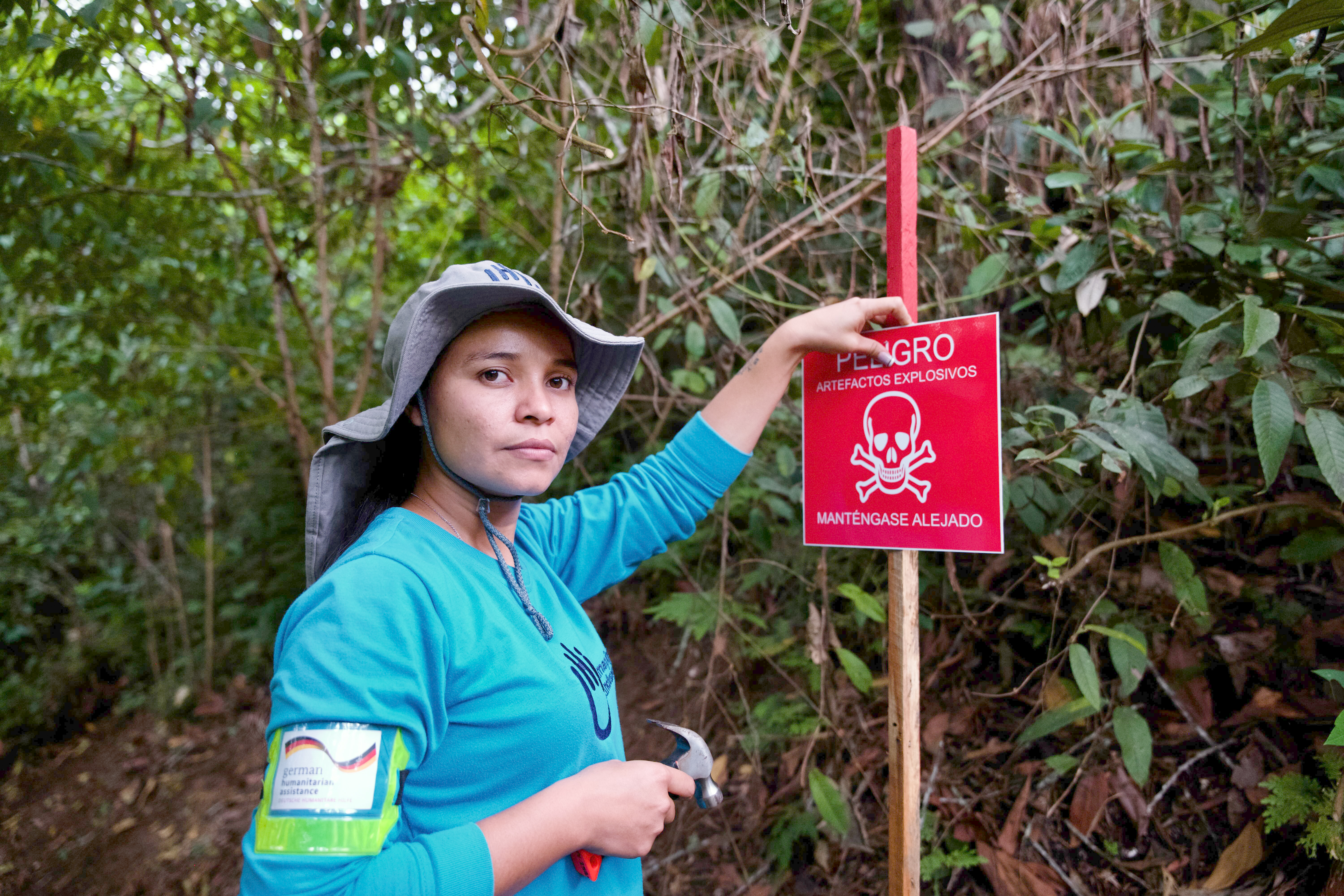
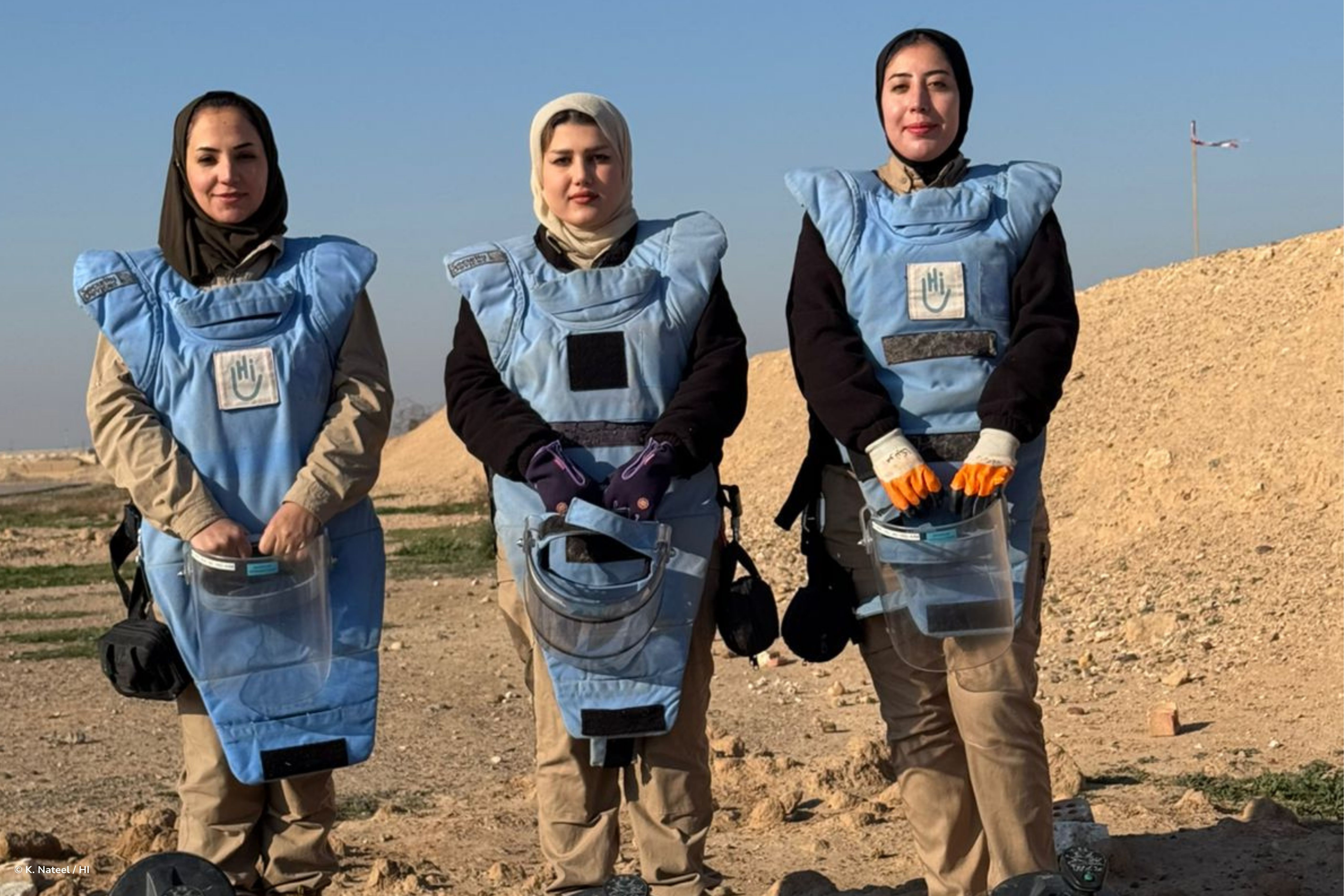
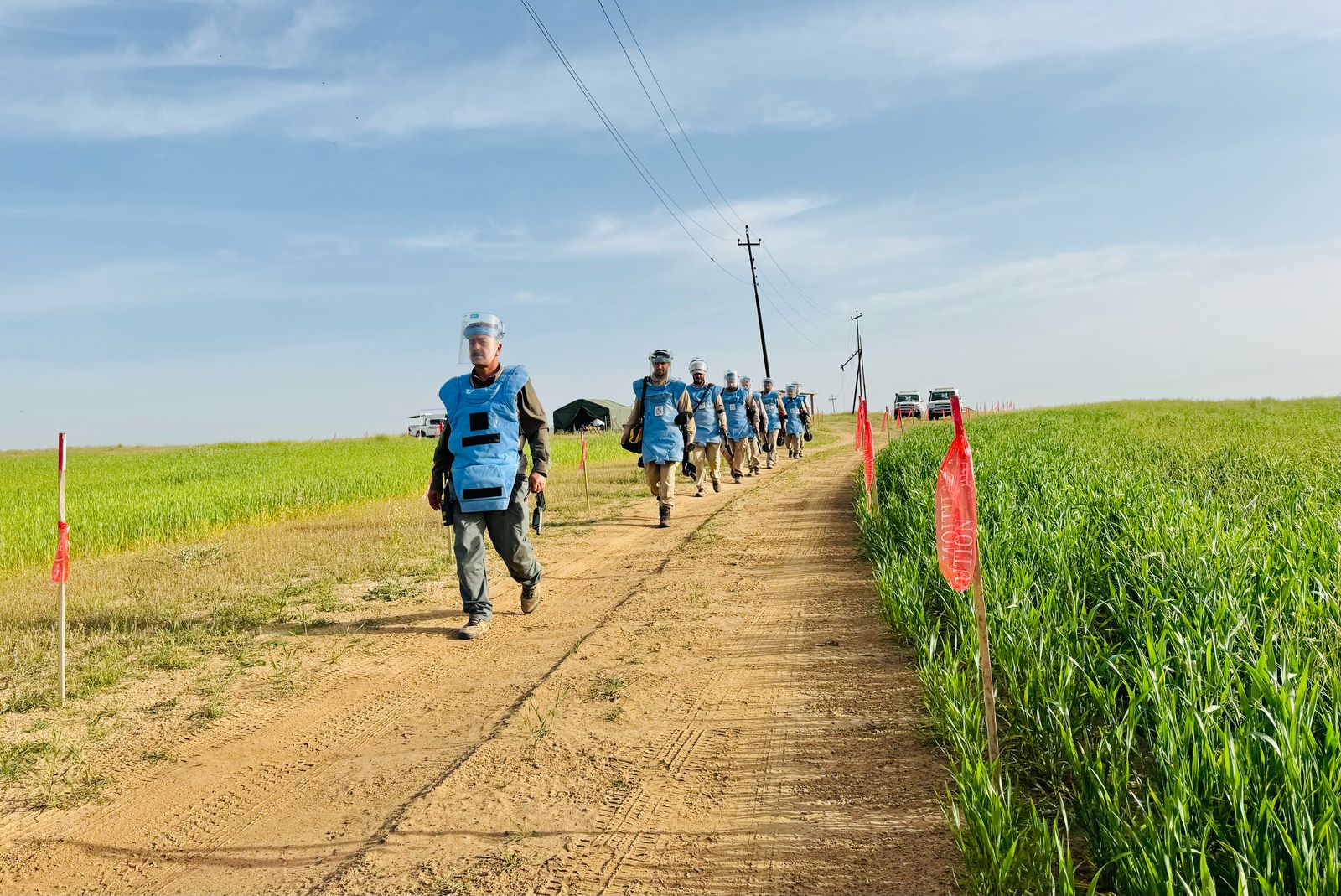
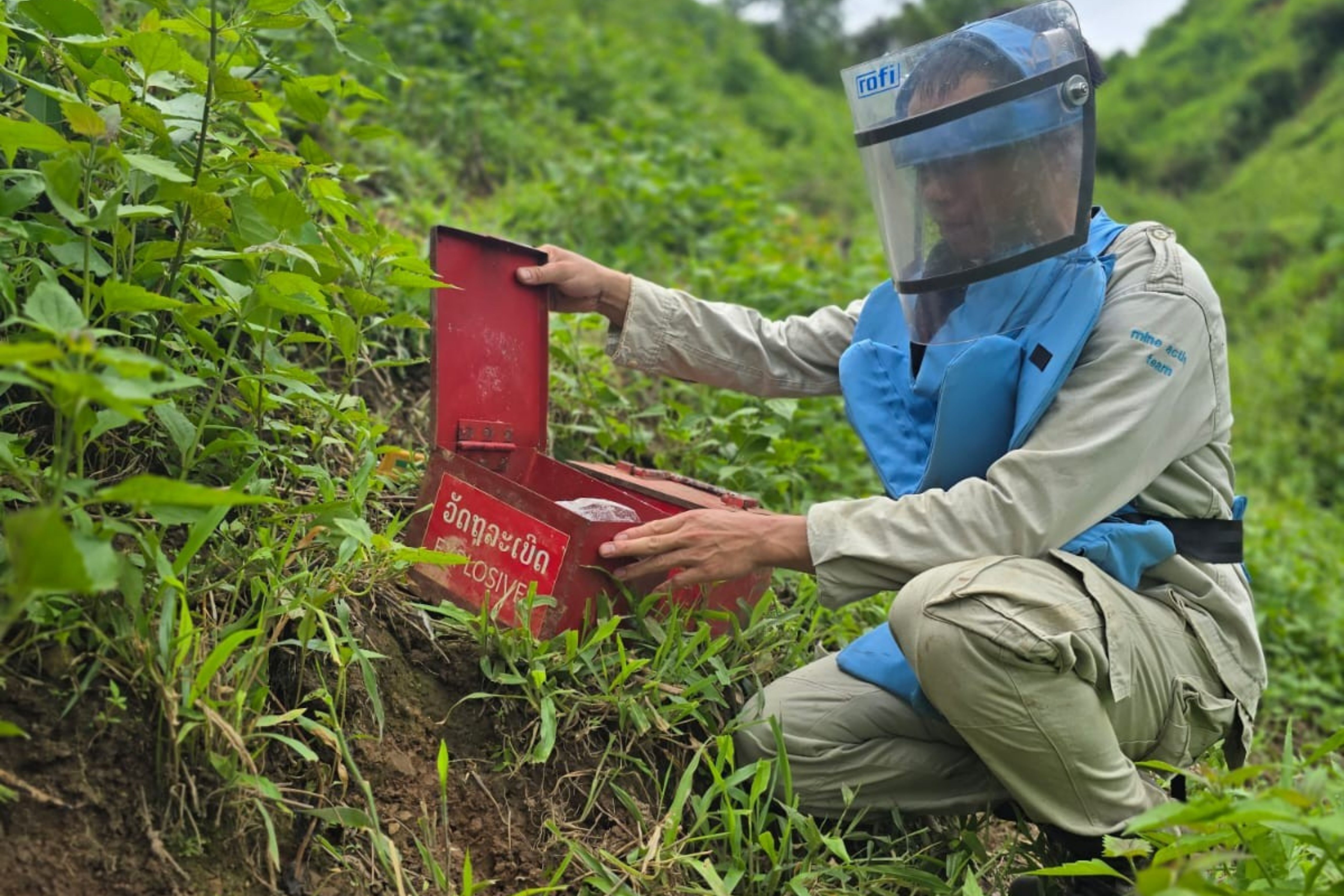
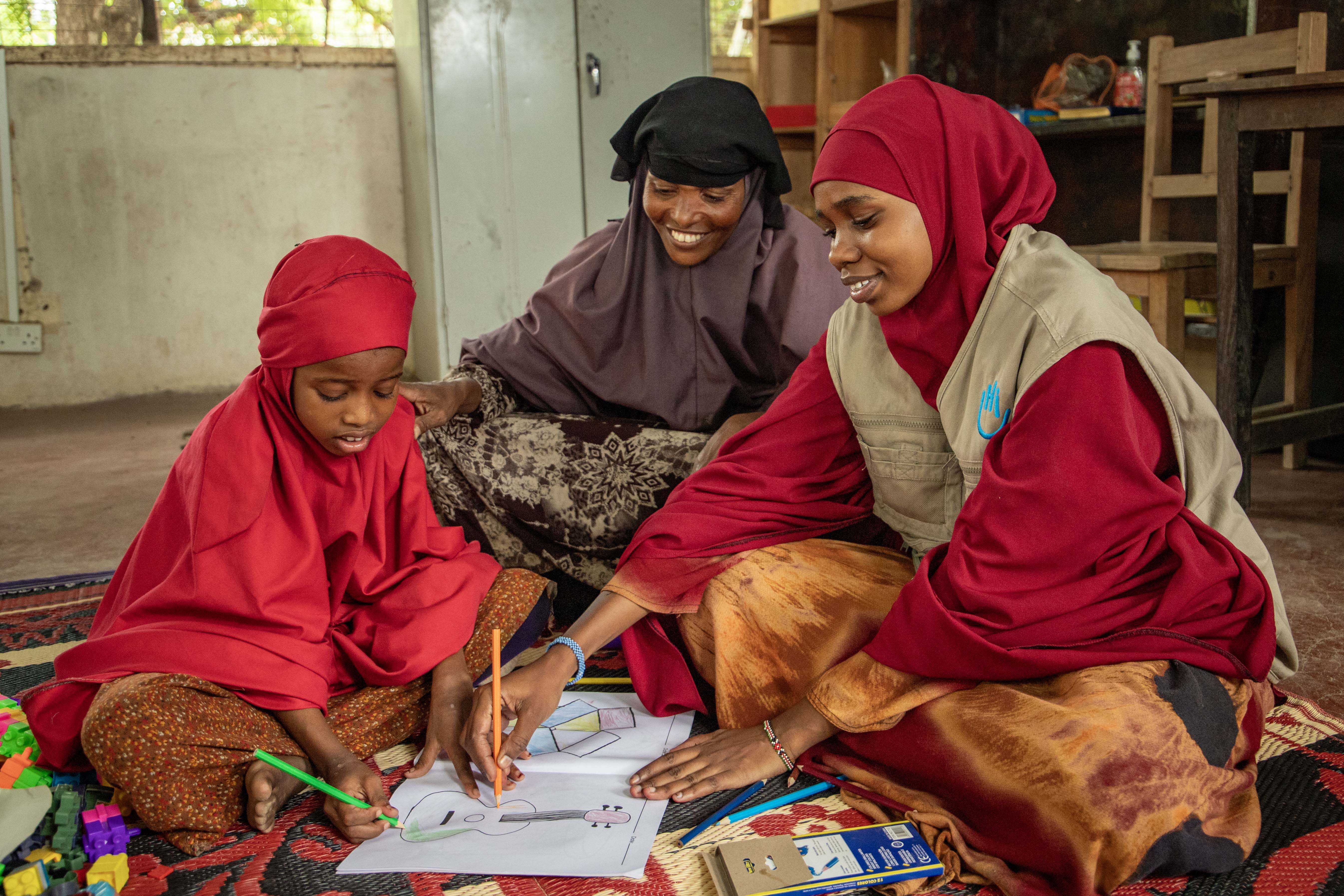
We clear contaminated areas, educate communities on how to stay safe, and support survivors through medical care, rehabilitation, and assistance to rebuild their lives. 

In 2025, 900,000 people benefited from our demining programs.


GO FURTHER